
The Healing Power of Nature: Hildegard von Bingen's Contribution to Herbalism from the Middle Ages to Today
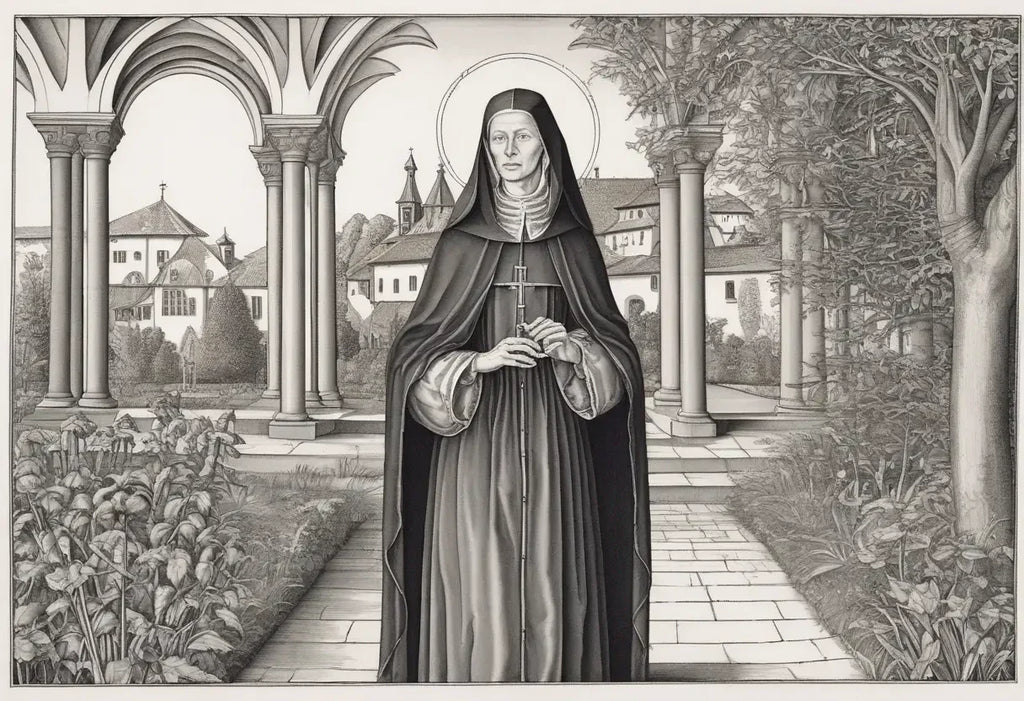
Who was Hildegard von Bingen?
Hildegard von Bingen (1098–1179) was a remarkable woman of the Middle Ages, a Benedictine abbess who distinguished herself through her multifaceted knowledge of religion, music, ethics, and medicine. She is considered one of the first representatives of German mysticism and was officially declared a Doctor of the Church by Pope Benedict XVI in 2012. Hildegard's influence on medieval medicine is significant, particularly through her works on naturopathy and medicinal herbs. Her therapeutic approaches and remedies are based on a deep connection between humans and nature and still form the basis for natural healing methods today.
Historical Background: The Role of Naturopathy in the Middle Ages
In the Middle Ages, naturopathy was a cornerstone of medical practice. Illnesses were often understood as an imbalance of bodily fluids, and treatment aimed to restore this balance. Medicinal herbs played a crucial role in this:
- Herbal applications: Herbalism was widespread, as it was believed that plants possessed specific properties that could contribute to healing.
- Monastic medicine: Monasteries were centers of medical knowledge. Monks and nuns like Hildegard von Bingen researched and wrote about medicinal plants and their applications.
- Tradition: Ancient knowledge from antiquity was preserved by Christian scholars and mixed with local traditions, forming the basis for medieval naturopathy.
- Practical application: Remedies were made from herbs, roots, and other natural ingredients on site and applied.
The teachings of prominent naturopaths, among whose prominent representatives Hildegard von Bingen also counted, significantly shaped the understanding of healing and health during this period.
Hildegard von Bingen's Philosophy: The Unity of Body, Mind, and Nature
Hildegard von Bingen viewed the world as a structure in which everything is interconnected. Her philosophy reflects the conviction that the human body, mind, and surrounding nature are in a symbiotic relationship. For Hildegard, health was the result of this harmony. She believed that diseases arise from an imbalance between these elements. Her therapeutic approaches aimed to restore well-being and balance through the targeted use of herbs and other natural remedies. In medicinal herbs, Hildegard saw not only medicine but also a way to promote respect for creation and its divine order.
The Healing Power of Plants: Basic Principles of Hildegard's Medicine
Hildegard von Bingen recognized the connection between humans and nature and used this insight to develop healing methods. She understood plants as gifts of creation that can promote physical and mental well-being. Some basic principles of her medicine are:
- Holism: Hildegard saw the human being as a unity of body, mind, and soul and accordingly treated the overall picture, not just symptoms.
- Balance: Maintaining or restoring the balance of bodily fluids was essential.
- Prevention: Prevention and a healthy lifestyle were highly valued.
- Individuality: Treatments were tailored to the individual's personal needs.
These principles are based on the belief that plants and herbs support the body's inherent self-healing powers.
From Monastic Medicine to Modern Herbalism: The Transmission of Knowledge
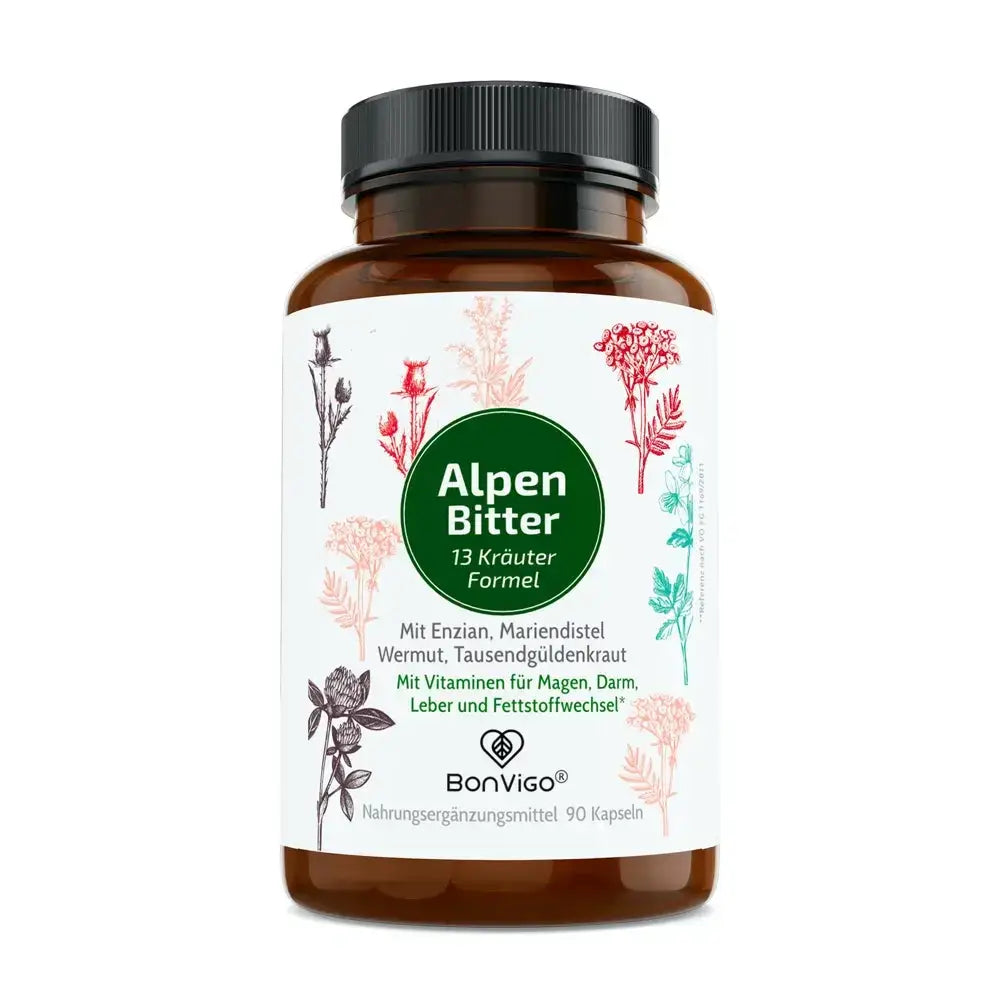
Medieval monastic medicine forms an important foundation of modern herbalism. For centuries, monks and nuns transmitted healing knowledge in medical writings and herb books. They combined traditional knowledge from antiquity with local plant knowledge. Hildegard's comprehensive work on herbalism, which links physiological with spiritual aspects, was crucial for the further development of medicinal plant science and its application to this day. She knew how to systematically document observations and experiences, which are still used in natural healing practice today. Her writings have survived the centuries and still provide current information on the possible uses of herbs for treating various ailments. We at BonVigo® also constantly examine what we can adopt from her ideas into the present. For example, the recipe for our AlpenBitter Herbal Capsules is inspired by Hildegard's herbalism.
Viriditas: The Green Power and its Importance for Health
Hildegard von Bingen coined the term "Viriditas" to describe the vital green power and life energy present in plants. She saw Viriditas as an essential component for health and spiritual well-being. Her teachings emphasize that herbs and plants possess healing properties through this green power.
- Viriditas stands for growth and regeneration.
- It promotes physical and mental health.
- Herbal therapies use Viriditas to treat various ailments.
- Viriditas represents the connection between humans and nature.
According to Hildegard, through the conscious use of plants, people can strengthen their vitality and health.
Famous Recipes: Hildegard von Bingen's Contributions to Naturopathy
Hildegard von Bingen was a pioneer in the field of naturopathy. Her recipes and advice bear witness to deep knowledge of the healing power of plants. Some of her most famous recipes include:
- Spelt balls: Hildegard recommended eating spelt balls on an empty stomach in the morning to stimulate digestion.
- Fennel tea: She saw fennel as a universal medicinal plant that helps with eye ailments and digestive problems.
- Bertram powder: Bertram was suggested as a remedy for digestive complaints and to support the immune system.
- Heart wine: A recipe combining wine, wild thyme, and honey, intended to strengthen the heart.
Hildegard von Bingen knew how to combine the knowledge of her time with the observation of nature to develop healing recipes. Her conviction that food can also be medicine still has followers today.
Hildegard's Nutritional Teachings: A Holistic View of Food
Hildegard saw food not only as a source of energy but also as a means of healing the body. She classified foods according to their healing power, which she distinguished by warm, cold, moist, and dry qualities. For her, harmony in the body was essential, achieved through a balanced diet.
- Foods with "warm" and "moist" qualities, such as spelt, promote health.
- "Cold" and "dry" foods were to be avoided or enjoyed in moderation.
Hildegard's dietetics was based on the idea that certain combinations of foods support digestion and general well-being. She recommended:
- Regular meals with fresh, unprocessed ingredients.
- Consumption of seasonal fruits and vegetables.
- Integration of healing herbs into the diet.
Her teachings emphasize holistic principles and practices that are still applied today.
The Practice of Self-Healing: How Hildegard's Teachings Can Be Applied Today
Today, Hildegard von Bingen's wisdom is enjoying increasing popularity as part of a holistic health practice. Her teachings are applied in various areas as follows:
- Nutrition: Bioavailable food and herbs are used to support physical well-being.
- Herbal medicine: Specific herbs and plants are used for their healing properties.
- Music therapy: Melodies and chants according to Hildegard can contribute to calming and harmonization.
- Lifestyle: A balanced lifestyle with a focus on rest and prayer reflects Hildegard's understanding of a holistic life.
Through these practices, individuals can find a path to increased quality of life and health.
Science Meets Tradition: Modern Research and Hildegard's Medicinal Plants
Hildegard von Bingen's medicine is experiencing a renaissance through modern research. Scientists are identifying and analyzing the plants described in Hildegard's texts and their active ingredients. Numerous studies confirm the therapeutic effectiveness of some of these medicinal plants:
- Marigold is valued for its anti-inflammatory and wound-healing properties.
- Horehound is used for coughs and respiratory diseases, which current studies also emphasize.
- Fenugreek, traditionally used to strengthen the digestive system, shows positive effects in lowering blood sugar.
This symbiosis of traditional knowledge and scientific validation opens new perspectives for nature-based therapeutic approaches.
The Spiritual Dimension of Hildegard's Healing Art
Hildegard von Bingen regarded medicine not only as a science but also as a spiritual practice. She believed that the healing of body and soul was possible through God's creation. Her approaches were based on the idea that diseases are physical manifestations of spiritual or psychological imbalances. Hildegard used medicinal plants not only for their physical effects but also for their symbolic meaning, which was intended to promote deeper healing. Meditation and prayer were integral components of her healing methods to strengthen spiritual well-being.
Integration into the Present Day: Hildegard von Bingen's Influence on Modern Naturopathy
Hildegard von Bingen continues to have a lasting influence on naturopathy to this day. Her comprehensive writings on medicinal plants, dietetics, and the connection of body and soul inspire modern naturopaths. Her presence is evident in these areas:
- Naturopathic education: Hildegard's concepts are often part of the curriculum for aspiring alternative practitioners.
- Phytotherapy: Her plant knowledge is applied in the production of herbal remedies and teas.
- Nutritional counseling: Her principles of nutrition are applied in modern concepts such as holistic dietetics.
- Therapeutic practice: Various forms of therapy use Hildegard's approaches for holistic treatment.
- Wellness and Spa: Her methods for promoting well-being and stress reduction live on in modern wellness offerings.
Her legacy is firmly anchored in contemporary approaches to natural health promotion.
Outlook: The Timeless Relevance of Hildegard von Bingen's Herbalism
Hildegard von Bingen, a significant figure of the 12th century, still anchors a central position in modern herbalism with her knowledge. Her works convey far more than just applications of herbs; they offer a holistic approach to health care. Her methods and recipes, often presented as visions, still receive attention today:
- Natural ingredients for physical and mental balance
- Prevention instead of aftercare as a health concept
- Integration of nutrition, lifestyle, and medicinal plants
Her teachings, an interplay of faith and understanding of nature, call for continuous research and adaptation to contemporary needs. This timeless relevance secures Hildegard von Bingen an everlasting place in the history of naturopathy.
 |
 |
 |
|---|---|---|
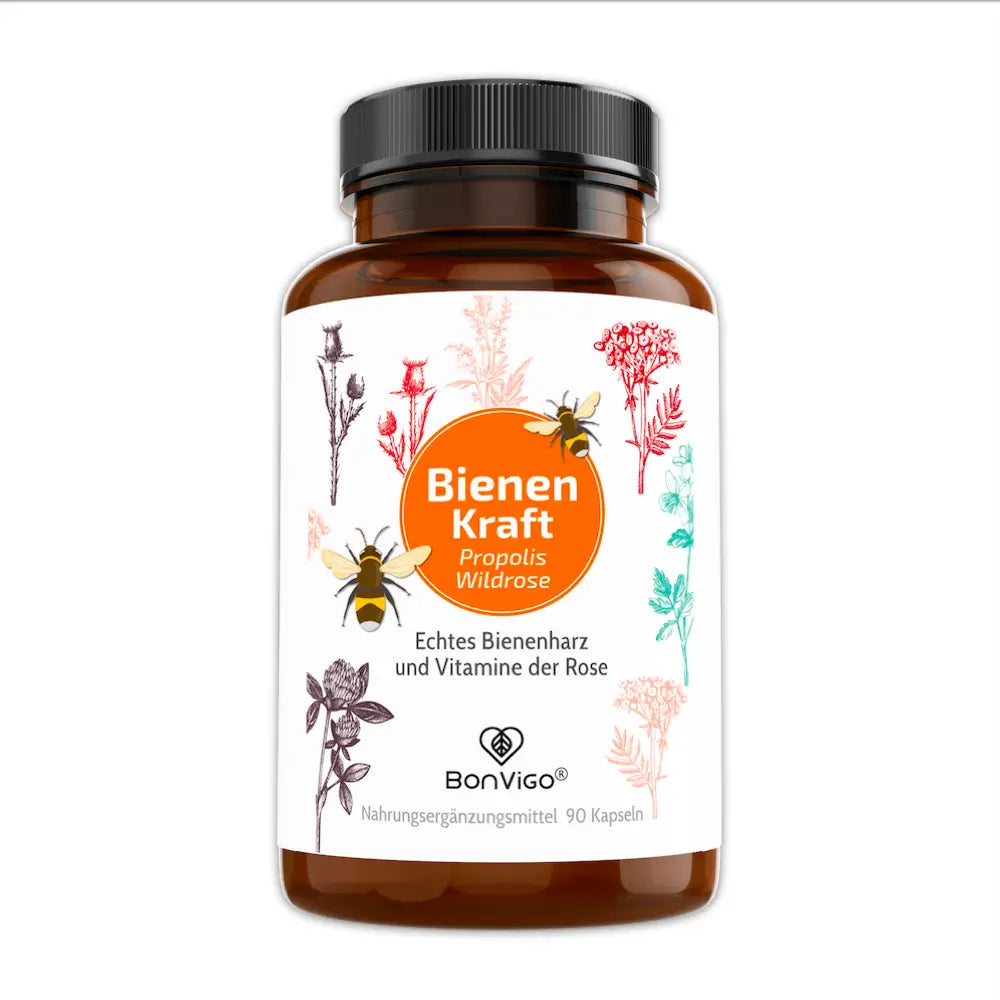
| AlpenBitter plus Liver Formula with Choline | OPC Cell Protection maximum - Grape Seeds, Pine, Cranberry | Bee Power Propolis Capsules plus Rose Vitamins |
| View Product | View Product | View Product |
 |
 |
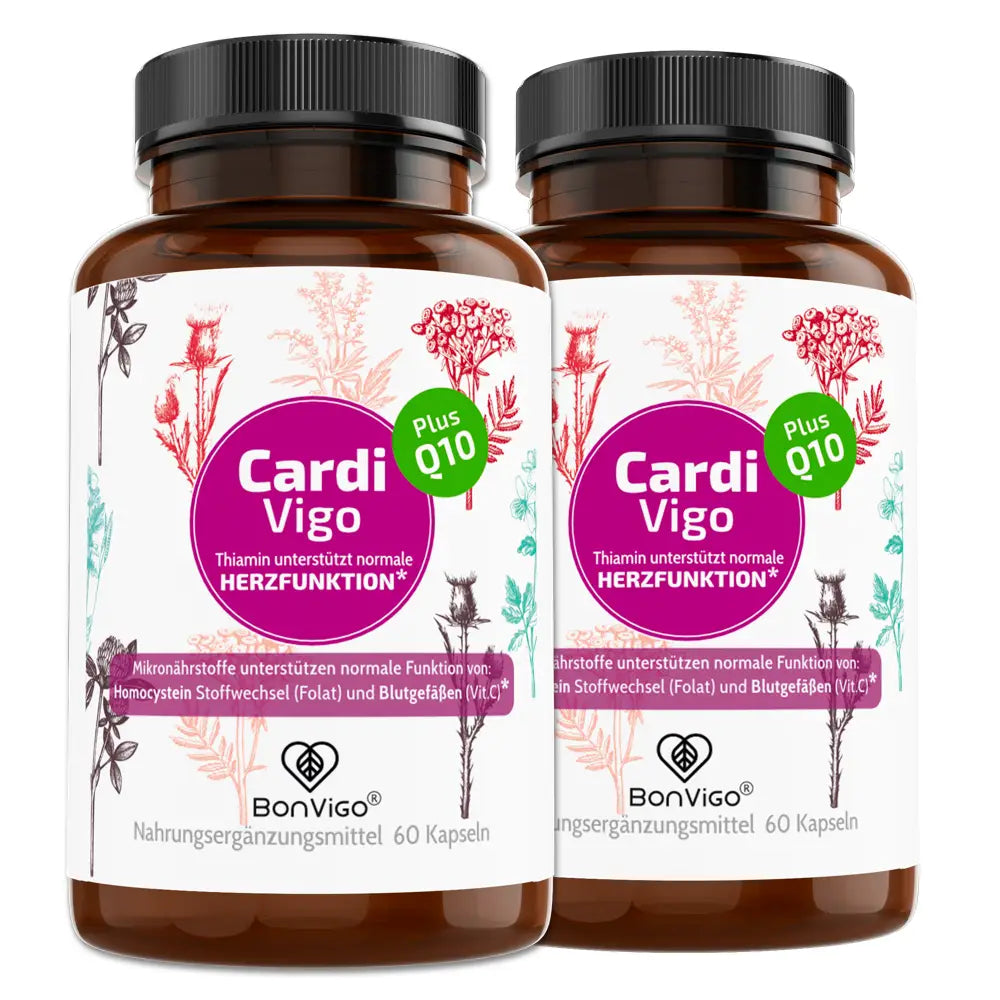 |
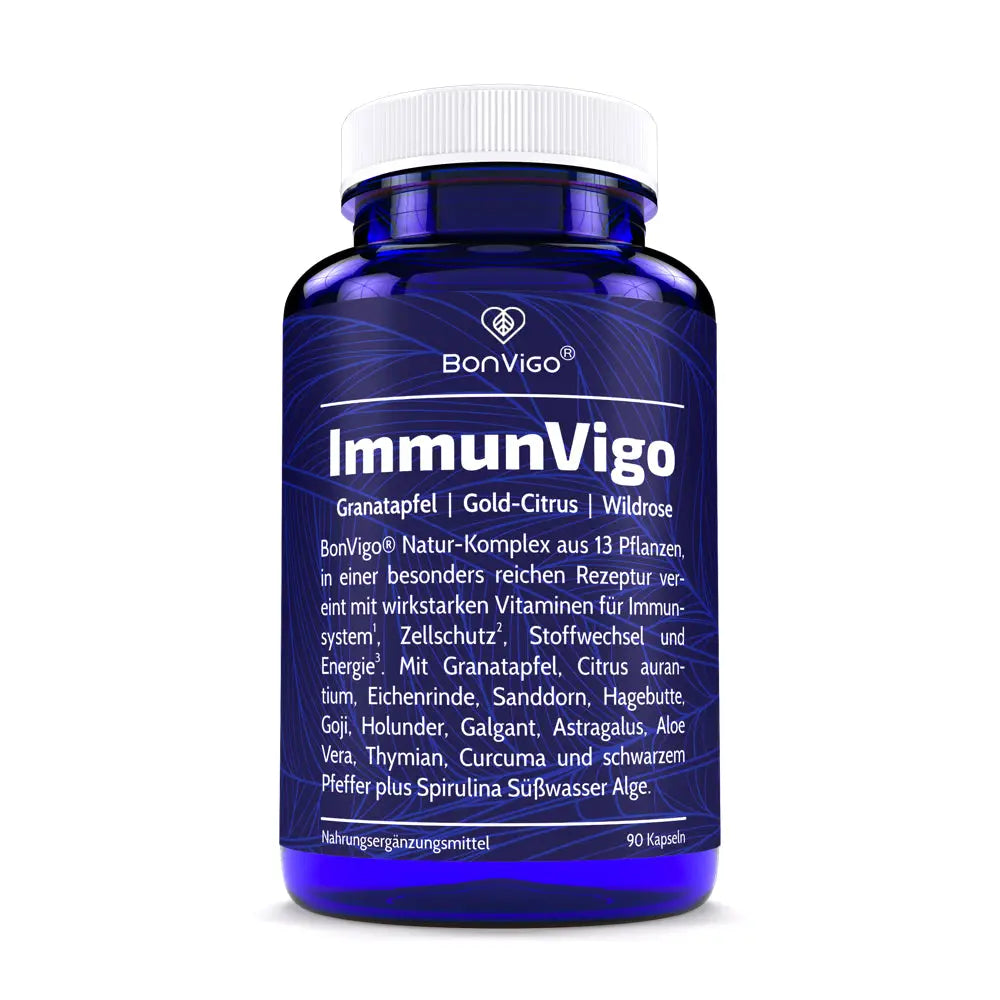
| UroVigo Women with Nasturtium, Horseradish, Vitamins for Bladder/Urinary Tract | ImmunVigo 13-Plant Concentrate with Immune Booster | CardiVigo with Thiamine to support normal heart function and Hawthorn Crataegutt, Raw Cacao, Black Garlic |
| View Product | View Product | View Product |



Leave a comment