
Understanding the Thyroid Gland: Its Functions and Problems
The Importance of the Thyroid Gland for Our Body
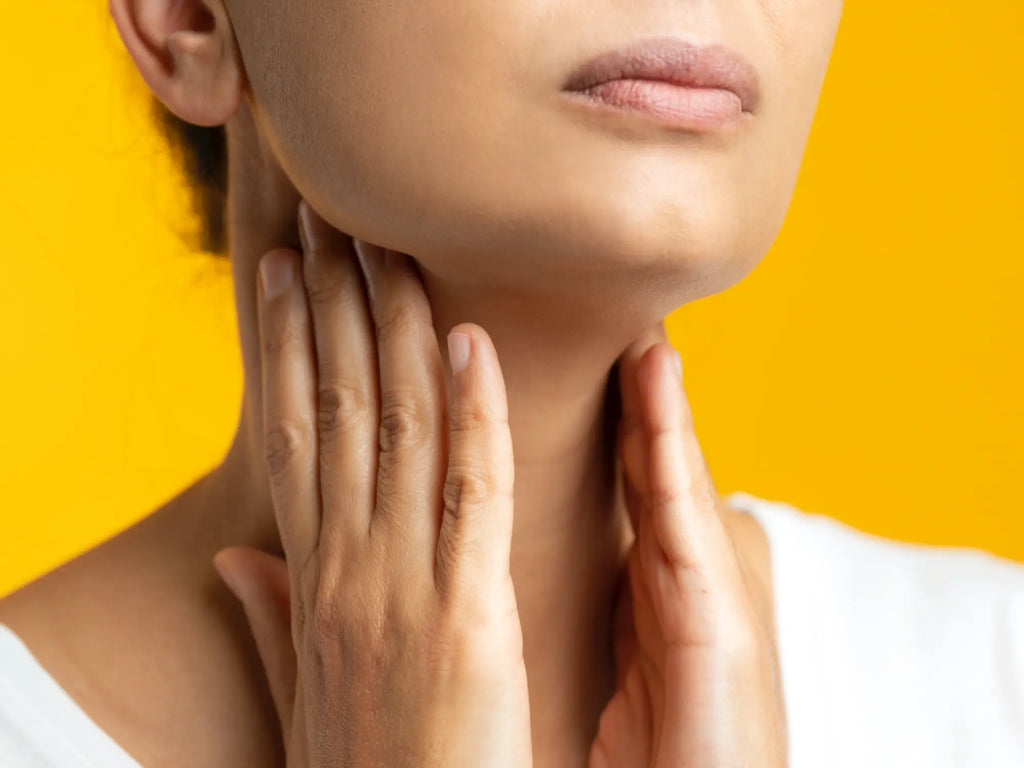
The thyroid gland, a small butterfly-shaped organ located at the base of the neck in front of the trachea, plays a crucial role in the proper functioning of the human body. It is responsible for the production and regulation of thyroxine (T4) and triiodothyronine (T3), two hormones essential for regulating metabolism, i.e., the speed at which our body converts energy from ingested food.
The thyroid gland influences numerous bodily functions, including:
- Heart rate
- Blood pressure
- Body weight
- Muscle strength
- Menstrual cycles
- Body temperature
- Cholesterol levels
An imbalance in thyroid function can thus have far-reaching effects on health and well-being. Overactivity, also known as hyperthyroidism, can lead to weight loss, nervousness, hot flashes, and palpitations. Underactivity, known as hypothyroidism, can result in weight gain, fatigue, and depression.
Beyond its direct effects on metabolism, the thyroid gland also contributes to brain development and supports growth in children. Therefore, a well-functioning thyroid gland is of immense importance, especially during pregnancy and childhood.
Early detection of thyroid diseases is essential, as untreated conditions can lead to serious health complications. Simple blood tests to check hormone levels as well as imaging procedures such as ultrasound can be used for diagnosis.
Overview of Thyroid Function and Disorders
- Regulation of metabolism: T3 and T4 influence the basal metabolic rate and are thus primarily responsible for the speed of energy metabolism.
- Growth and development: Thyroid hormones are involved in normal brain development and growth processes.
- Thermoregulation: Thyroid hormones help regulate body temperature and respond to cold and heat.
The pituitary gland controls thyroid function through thyroid-stimulating hormone (TSH). Thyroid dysfunction often manifests as underactivity or overactivity:
- Hypothyroidism (underactivity): Here, the thyroid produces too few hormones, which can lead to symptoms such as weight gain, fatigue, cold sensitivity, and depression.
- Hyperthyroidism (overactivity): In case of overproduction, weight loss, nervousness, heat intolerance, and sleep disturbances may occur.
Autoimmune diseases such as Hashimoto's thyroiditis (hypothyroidism) and Graves' disease (hyperthyroidism) are common causes of thyroid dysfunction. Nodules or enlargements of the thyroid gland, known as goiters, can also cause disorders. These conditions are usually diagnosed through blood tests that check hormone levels and imaging procedures such as ultrasound.
Sign 1: Unexplained Weight Changes
The thyroid gland plays a crucial role in the body's metabolism. Hormones produced by this gland influence the rate at which the body burns calories. Unexplained weight changes can therefore be a sign of a thyroid disorder.
- Weight gain can indicate hypothyroidism, a condition in which the thyroid gland does not produce enough hormones.
- Weight loss, on the other hand, could suggest hyperthyroidism, which is characterized by an overproduction of thyroid hormones.
Affected individuals often notice changes in their weight without having altered their eating or exercise habits. It is important to note that not every weight change is necessarily linked to the thyroid. However, any unexplained and persistent weight change should be medically investigated.
In addition to obvious weight changes, other symptoms may also manifest:
- In hypothyroidism:
- Lack of energy or fatigue
- Feeling cold even in warm temperatures
- Dry skin and hair
- In hyperthyroidism:
- Increased heart rate and nervousness
- Heat intolerance
- Dehydrated skin
To clarify, blood tests are necessary to measure the levels of thyroid hormones thyroxine (T4) and triiodothyronine (T3), as well as thyroid-stimulating hormone (TSH). If these hormone levels are outside the normal range, it may indicate thyroid dysfunction and requires further medical examination.
Sign 2: Changes in Heart Rate and Blood Pressure
In cases of thyroid dysfunction, noticeable changes in heart rate and blood pressure can occur.
Heart Rate:
-
- An overactive thyroid (hyperthyroidism) can cause an increased heart rate or palpitations, also known as tachycardia.
- In contrast, an underactive thyroid (hypothyroidism) can lead to a slowed heart rate, known as bradycardia.
-
Blood Pressure:
- Hyperthyroidism sometimes leads to an increase in systolic blood pressure, while diastolic blood pressure tends to remain low.
- Conversely, hypothyroidism can lead to an increase in diastolic blood pressure, which is occasionally associated with normal systolic blood pressure.
Changes in the cardiovascular system due to thyroid dysfunction can lead to a range of symptoms. Patients often report symptoms such as restlessness, sweating, sleep disturbances, or general exhaustion. In severe cases, a significantly disturbed heart rate or uncontrolled blood pressure can lead to further health complications, including heart failure or stroke.
It is therefore of great importance to seek medical advice if such changes occur, so that through adequate diagnosis and therapy, thyroid function can be regulated and cardiovascular risks minimized.
Sign 3: Energy Levels and Mood Swings
Another important sign of thyroid disorders is changes in energy levels and mood swings. Irregularities in thyroid function can lead to noticeable fluctuations in the body's energy supply.
- In hypothyroidism (underactive thyroid), general sluggishness and persistent fatigue can occur, even with sufficient sleep. Those affected often suffer from a lack of energy, which can impair their daily activities.
- In hyperthyroidism (overactive thyroid), on the other hand, there can be an excess of energy, leading to restlessness, insomnia, and increased irritability.
Mood swings are also a common symptom of thyroid disorders. These can range from depression to anxiety and significantly impact quality of life.
- People with hypothyroidism often show symptoms of depression and persistently low mood.
- In contrast, people with hyperthyroidism may experience increased anxiety levels or irritability.
Recognizing these signs is essential for early diagnosis and effective treatment. If a thyroid disorder is suspected, it is therefore important to consult a family doctor, an internist, or an endocrinologist, who can initiate further steps through targeted examinations.
Sign 4: Changes in Skin, Hair, and Nails
Changes in the skin, hair, and nails can indicate a thyroid disorder. The thyroid gland produces hormones that are essential for the body's metabolism and growth, and dysfunction can lead to visible symptoms.
- Skin changes: An underactive thyroid, also known as hypothyroidism, can make the skin dry and pale. Affected individuals may also experience thickened, scaly skin, known as myxedema. In contrast, an overactive thyroid, hyperthyroidism, often leads to unusually soft and thin skin.
- Hair changes: In hypothyroidism, hair can be thin, brittle, and falling out. Patients may notice diffuse hair loss all over the head. Hyperthyroidism, on the other hand, can lead to fine, excessively soft hair. In some cases, hyperthyroidism can also cause the outer eyebrows to fall out.
- Nail changes: Hypothyroidism can lead to brittle, ridged nails that may also split lengthwise. In contrast, in hyperthyroidism, nails might be softer and possibly spoon-shaped or upward-curved.
Sign 5: Gastrointestinal Symptoms
Thyroid function can have a far-reaching influence on the gastrointestinal tract. Hypothyroidism, an underactive thyroid, often leads to a slowdown in digestive processes. This can manifest through various symptoms. Here are some of the most common signs of gastrointestinal problems that may be associated with thyroid disorders:
- Constipation: One of the classic symptoms of hypothyroidism is slower bowel activity, which can lead to constipation. This can cause a feeling of fullness and bloating.
- Irritable Bowel Syndrome: Some people with thyroid problems develop symptoms similar to irritable bowel syndrome, including abdominal pain, diarrhea, and intermittent constipation.
- Bloating: Due to slowed digestion in hypothyroidism, there can be an increased occurrence of gas accumulation in the digestive tract.
- Weight Gain: Although not directly a gastrointestinal symptom, the reduction in metabolic rate in hypothyroidism can lead to weight gain, which indirectly affects the function of the gastrointestinal tract.
In contrast, hyperthyroidism, an overactive thyroid, can cause an acceleration of digestive processes, leading to symptoms such as frequent bowel movements or even diarrhea.
It is important to emphasize that not all gastrointestinal problems are necessarily directly related to the thyroid. However, if such symptoms occur in conjunction with other signs of a thyroid disorder, one should consult a doctor. Adequate treatment of the underlying thyroid disorder can often also improve gastrointestinal complaints.
Causes and Risk Factors for Thyroid Disorders
Thyroid disorders can have various causes and be promoted by a number of risk factors. Understanding these factors is crucial to minimize the risk of such diseases.
Genetic Predisposition:
A family history of thyroid disorders can increase the risk. Genetics play a particular role in autoimmune thyroid diseases, such as Hashimoto's thyroiditis.
Autoimmune Diseases:
Autoimmune-related thyroid disorders, where the immune system attacks the thyroid gland, are common causes. Examples include the aforementioned Hashimoto's thyroiditis or Graves' disease.
Iodine Deficiency:
Iodine is essential for the production of thyroid hormones. A deficiency can lead to reduced hormone production and a goiter (enlargement of the thyroid gland).
Environmental Influences and Nutrition:
Certain environmental influences, such as exposure to radiation or certain chemicals, can increase the risk of thyroid diseases. Likewise, an unbalanced diet that does not provide enough essential nutrients like selenium and iodine can impair thyroid function.
Gender and Age:
Women are more often affected by thyroid diseases than men, especially after pregnancy and during menopause. The risk generally increases with age.
Medications and Therapies:
Certain medications and therapies, including treatment with lithium or radiation therapy in the neck area, can affect thyroid function.
Lifestyle Factors:
Smoking, for example, can also cause or worsen thyroid disorders through the absorbed toxins.
To minimize the risk of thyroid disorders, it is important to know one's own risk factors and address them if necessary. A balanced diet, regular check-ups, and avoiding risky behaviors can have a preventive effect.
Diagnosis: How Thyroid Disorders Can Be Detected
The diagnosis of thyroid disorders involves a variety of examinations aimed at accurately assessing thyroid function.
- Anamnesis and physical examination: The doctor usually starts with an anamnesis to identify symptoms and possible risk factors. During the physical examination, the thyroid gland is palpated for enlargements or nodules.
- Blood tests: Important laboratory tests include the determination of thyroid hormones thyroxine (T4) and triiodothyronine (T3) as well as thyroid-stimulating hormone (TSH), which is released by the pituitary gland. An unbalanced value can indicate hyperthyroidism (too high hormone production) or hypothyroidism (too low hormone production).
- Ultrasound examination: This imaging method is used to assess the structure of the thyroid gland. Nodules or other irregularities can be identified with it.
- Scintigraphy: In this procedure, a radioactive isotope is injected, which accumulates in the thyroid gland. A special camera system then records the distribution of the isotope and provides information about the functioning and possible functional autonomy of the thyroid gland.
- Fine-needle aspiration biopsy: If nodules are detected, a tissue sample can be taken using a biopsy to determine whether the changes are benign or malignant.
The correct diagnosis is crucial for effective treatment. Therefore, in the event of initial signs, great importance should be attached to a comprehensive and careful diagnosis.
Treatment Options for Thyroid Disorders
When treating thyroid disorders, the underlying cause is crucial. Therapy should always be individualized and follow a careful diagnosis.
- Hypothyroidism (underactive): Here, conventional medicine uses thyroid hormone preparations such as levothyroxine as standard. These replace the missing thyroxine (T4) and usually have to be taken lifelong. Alternative treatment methods focus on administering natural thyroid hormones, which are obtained as an extract from the processed thyroid of pigs; pigs are most similar to the human body in this respect. The conventional medical view often neglects the importance of selenium for normal thyroid function. The effectiveness of this mineral on the thyroid has been extensively scientifically investigated and is explicitly confirmed by EU authorities with a health claim.
- Hyperthyroidism (overactive): Treatment may include medications that inhibit hormone production (e.g., thiamazole). In some cases, radioiodine therapy or surgical procedures are also used.
- Thyroid inflammations (thyroiditis): Depending on the type, for example in Hashimoto's thyroiditis, doctors also use thyroid hormones to stabilize the hormone balance. Painkillers and anti-inflammatory drugs are used if necessary.
- Thyroid nodules and cysts: Small, harmless nodules often do not require immediate therapy but are observed. Large or suspicious nodules can be treated medically or surgically.
- Thyroid carcinomas: In thyroid cancer, surgical interventions, radioiodine therapy, and treatment with thyroxine to suppress TSH (Thyroid-Stimulating Hormone) are at the forefront.
Therapy requires regular monitoring through blood tests to check hormone levels and adjust medication accordingly. In cases of autoimmune thyroid diseases, interdisciplinary care with immunologists is also beneficial. Patients should be aware of any signs of worsening or changes in their symptoms and report them to their doctor. The choice of treatment also depends on age, gender, severity of the disease, possible co-existing conditions, and individual patient preferences.
Living with a Thyroid Disorder: Tips for Everyday Life
Living with a thyroid disorder can be challenging, but with the right adjustments and measures, daily life can often be significantly improved. Here are some practical tips that can help:
Nutrition
- Iodine-rich foods: Incorporate iodine-rich foods into your diet, such as marine fish or seafood. In cases of hyperthyroidism or, more specifically, autoimmune diseases such as Hashimoto's thyroiditis, a low-iodine diet may be necessary; you should consult your doctor about this. With Hashimoto's, a type of iodine allergy can often occur, making it necessary to reduce or even stop iodine-containing thyroid medication while staying at the seaside. If you are sensitive to iodine, marine fish and seafood should be consumed with caution, not only at the seaside but also in everyday life.
- Selenium and Zinc: These trace elements are important for thyroid function. Nuts, grains, and various meats are good sources. Orthomolecular medicine usually recommends a daily intake of selenium as a high-dose supplement of 100 to 200 micrograms.
- Balanced diet: Ensure a balanced diet with an adequate intake of all essential nutrients.
Stress Management
- Relaxation techniques: Yoga, meditation, or even light physical activities can reduce stress and increase well-being.
- Sufficient sleep: A regular sleep pattern can help support hormonal balance.
Regular Check-ups
- Doctor's visits: Regular checks of thyroid levels are important to adjust medication if necessary.
- Self-observation: Learn to recognize the symptoms of your illness and consult your doctor if they change. Many patients report that they find more help with the diverse and often difficult-to-interpret problems in self-help groups, which are numerous online, than in many doctor's offices where there is no time for a differentiated view, and it is assumed that merely prescribing a thyroid medication would solve all problems.
Exercise
- Regular activity: Regular physical activity supports metabolism and overall well-being.
- Strength & Endurance: A mix of strength training and endurance exercises can be particularly beneficial.
Social Contacts and Support
- Exchange: Exchanging experiences with other affected individuals can be helpful. See the note above under "Self-observation". Since thyroid diseases are now a widespread phenomenon, there is also extensive literature on the subject.
- Family and friends: Inform your social circle about your illness to ensure understanding and support.
Individual adjustments are important, as every thyroid disorder is different. Close cooperation with your endocrinologist or general practitioner can help you lead a balanced and healthy life.
Prevention of Thyroid Problems
Thyroid problems can be due to both genetic factors and environmental and lifestyle choices. Preventive measures can help reduce the risk of thyroid diseases and support the function of this important gland.
- Balanced Diet: An adequate supply of iodine is crucial for thyroid function. Iodine-rich foods such as marine fish, seafood, and iodized salt are recommended. However, over- or under-supply should be avoided.
- Selenium Intake: Selenium, another important trace element for the thyroid, can be found in nuts, meat, and fish. It contributes to the production of thyroid hormones and protects against oxidative stress.
- Avoidance of Harmful Influences: Smoking and alcohol consumption can negatively affect thyroid functions and should therefore be avoided.
- Regular Exercise: Physical activity can positively influence hormone balance and is therefore beneficial for thyroid health.
- Stress Management: Chronic stress is a risk factor for thyroid disorders. Relaxation techniques and a balanced work-life balance should be promoted.
- Early Detection and Preventive Examinations: In cases of known family history of thyroid diseases, regular medical check-ups are advisable to detect changes early.
By adhering to these prevention strategies, the risk of thyroid problems can be reduced, and the foundation for long-term thyroid health is strengthened. Individual consultation with an endocrinologist or nutritionist may be advisable to consider personal risk factors and life circumstances in prevention, provided a doctor or nutritionist can find enough time to address the complex issues.
 |
 |
 |
 |
|---|---|---|---|
| MenthaVigo Plant Concentrate with Lungwort | TyreoVigo - Selenium contributes to normal thyroid function | CardiVigo - Thiamine contributes to normal heart function | ImmunVigo Concentrate from 13 plants plus micronutrients |
| To Product | To Product | To Product | To Product |



Leave a comment