
The Ultimate Practical Guide to the Immune System and Your Immune Protection

What is the Immune System
The immune system is a complex network of cells, tissues, and organs that protects the body from diseases and infections. It plays a crucial role in recognizing and combating pathogens such as viruses, bacteria, and parasites. The immune system consists of two main components: the innate and acquired immune systems.
- Innate Immune System: This part of the immune system provides a general, non-specific defense against pathogens. Components of the innate immune system include skin barriers, mucous membranes, inflammatory responses, and certain white blood cells such as macrophages and natural killer cells.
- Acquired Immune System: The acquired immune system is highly specific and has the ability to recognize and remember pathogens. It consists of T-cells, B-cells, and antibodies. These cells work together to identify and destroy specific pathogens, forming an immune response that provides long-term immunity against renewed attack.
A well-functioning immune system is crucial for an individual's health and well-being. It is important to support the immune system through a balanced diet, regular exercise, sufficient sleep, and avoiding harmful habits such as smoking. A strong immune system enables the body to better fend off diseases and maintain optimal health.
The Functions of the Immune System
The immune system plays a crucial role in the body, as it serves to protect the body from harmful invaders. The main functions of the immune system include:
- Recognition of invaders: The immune system can recognize various pathogens such as viruses, bacteria, fungi, and parasites.
- Defense against pathogens: After recognizing invaders, the immune system initiates both non-specific and specific defense mechanisms to combat the pathogens.
- Formation of antibodies: Antibodies are proteins that specifically bind to pathogens and mark them, making them easier for other immune cells to recognize and destroy.
- Activation of immune cells: The immune system activates various immune cells such as lymphocytes, macrophages, and natural killer cells to destroy pathogens.
- Inflammatory response: An inflammatory response is triggered to neutralize pathogens and repair damaged tissue.
- Immunological memory: The immune system forms an immunological memory that allows it to remember previous infections and respond to them more quickly and effectively.
The immune system is a complex network of cells and molecules that work closely together to protect the body from diseases. It is important to keep the immune system healthy to optimally support immune defense and prevent diseases.
The Different Types of Immunity
The body's immune system is capable of providing various types of immunity to protect the body from diseases and infections. Here are the main types of immunity:
- Innate Immunity: Innate immunity is the body's first line of defense against invaders. It includes physical barriers such as the skin, mucous membranes, and stomach acid, which prevent pathogens from entering.
- Adaptive Immunity: Adaptive immunity occurs when the immune system responds specifically to a pathogen. This type of immunity develops over time by forming memories of pathogens and enabling a faster and stronger response if the body is exposed to the same pathogen again.
- Active Immunity: Active immunity occurs when the immune system is stimulated by exposure to a pathogen or by vaccination. The body then produces its own antibodies against the pathogen, leading to long-term protection.
- Passive Immunity: Passive immunity occurs when the body does not produce its own antibodies but receives them from outside. This can happen through the transfer of antibodies from mother to newborn or through the administration of pre-existing antibodies.
The different types of immunity work together to protect the body from diseases and ensure an effective defense against pathogens.
The Importance of a Healthy Immune Response
A healthy immune response is crucial for protecting the body from harmful pathogens. A strong immune system recognizes and fights off viruses, bacteria, and other invaders before they can lead to illness. Here are some important aspects that highlight the importance of a healthy immune response:
- Protection against infections: An intact immune system is able to ward off pathogens such as viruses and bacteria, thus preventing infections.
- Detection of diseases: A healthy immune system can recognize and attack diseased cells to stop their spread.
- Regulation of inflammation: An appropriate immune response can control inflammation and thus reduce the risk of autoimmune diseases.
- Cancer prevention: The immune system plays an important role in monitoring and fighting cancer cells, which can prevent the development of cancers.
Maintaining a healthy immune response requires a balanced diet, adequate exercise, sufficient sleep, and stress management. Furthermore, vaccinations can help strengthen the immune system and prevent diseases. A conscious lifestyle that supports immune system health is crucial for overall well-being and disease prevention.
Tips for Strengthening the Immune System
Strengthening the immune system is crucial to protect the body from illness. Here are some tips that can help:
- Healthy Diet: A balanced diet with plenty of fruits, vegetables, whole grains, and lean protein can strengthen the immune system.
- Sufficient Sleep: Enough sleep is essential for a healthy immune system. Adults should get an average of 7-8 hours of sleep per night.
- Regular Exercise: Sports and physical activity can strengthen the immune system and reduce susceptibility to illnesses.
- Stress Reduction: Chronic stress can weaken the immune system. Relaxation techniques such as meditation, yoga, or breathing exercises can help.
- Hygiene: Handwashing is a simple but effective way to protect the immune system and prevent the spread of diseases.
- Vaccinations: Vaccinations are important measures to strengthen and protect the immune system against certain diseases.
- Limit Smoking and Alcohol: Smoking and excessive alcohol consumption can weaken the immune system. Quitting or reducing these habits can therefore have a positive effect.
- Vitamin D: Adequate vitamin D intake can support the immune system. It can be obtained through diet or sunlight.
By following these tips and incorporating them into daily life, you can strengthen your immune system and improve overall health.
Healthy Eating for a Strong Immune System
A healthy diet plays a crucial role in strengthening the immune system. Here are some important dietary tips that can help support your defenses:
- Eat a balanced diet: A variety of fresh fruits, vegetables, whole grains, lean protein, and healthy fats provides important nutrients to boost the immune system.
- Pay attention to Vitamin C: Foods like oranges, bell peppers, and broccoli contain Vitamin C, which helps increase the production of immunoglobulins that are important for fighting off diseases.
- Consume zinc-rich foods: Zinc plays a crucial role in immune system function. Seafood, chicken, beans, and nuts are good sources of zinc.
- Add probiotics: Yogurt, sauerkraut, and kimchi are examples of probiotic foods that promote healthy gut flora and can thereby strengthen the immune system.
- Drink enough water: Adequate fluid intake is essential for immune system function and helps cleanse the body of toxins.
A healthy, nutrient-rich diet can help strengthen the immune system and ward off diseases. It is therefore worthwhile to pay attention to a balanced diet to support your defenses.
The Impact of Sleep and Stress on the Immune System
-
Sleep:
- Good sleep is crucial for a strong immune system, as important repair and regeneration processes take place during sleep.
- Sleep deprivation can weaken the immune system and increase the risk of infections.
- 7-9 hours of sleep per night are recommended to optimally support the immune system.
-
Stress:
- Chronic stress can weaken the immune system and increase susceptibility to illnesses.
- Stress hormones like cortisol can have pro-inflammatory effects and impair the immune system.
- Stress management techniques such as meditation, yoga, or breathing exercises can help strengthen the immune system.
It is important to ensure healthy sleep and effective stress management to keep the immune system in optimal condition.
Exercise and Immune Boost
Regular physical exercise is an essential component of a strong immune system. Through regular training, the immune defense is strengthened and susceptibility to diseases is reduced. Here are some important points that illustrate the connection between exercise and strengthening the immune system:
- Increased blood circulation: Exercise improves blood circulation, which leads to better distribution of immune cells in the body.
- Stress reduction: Exercise helps reduce stress, which can otherwise weaken the immune system.
- Increase in immune cells: Physical activity leads to increased production of immune cells that protect the body from infections.
- Improved lung function: Exercise strengthens lung function and thus improves the oxygen supply to the body.
A balanced training program that includes cardio and strength training can help strengthen the immune system. It is important to gradually increase physical activity to avoid injuries. If necessary, consult a doctor or a fitness professional to create a training program tailored to your needs.
Exercise is therefore a key element for strengthening the immune system and maintaining health. Through regular physical activity, you can strengthen your immune system and improve your overall well-being.
Natural Remedies to Support the Immune System
- One of the most effective natural remedies for strengthening the immune system is taking Vitamin C. This vitamin is known for its antioxidant properties and its ability to improve immune function.
- Zinc is another important mineral that supports the immune system. It helps regulate the immune response and can shorten the duration of a cold.
- Probiotics are live bacteria that promote gut health and have a strong connection to the immune system. Taking probiotic supplements can strengthen the immune system.
- Ginger is a root with anti-inflammatory and antioxidant properties. Ginger tea can help strengthen the immune system and prevent colds.
- Echinacea is a medicinal plant traditionally used to support the immune system. It can increase the production of white blood cells and strengthen the body's defenses.
- Turmeric is known for its active ingredient curcumin, which has anti-inflammatory and antioxidant properties. Taking turmeric can support the immune system.
It is important to use natural remedies in combination with a balanced diet, regular exercise, and sufficient sleep to optimally support the immune system.
Conclusion and Summary
- The immune system plays a crucial role in protecting the body from diseases and infections.
- A well-functioning immune system is essential for health and well-being.
- Immune defense mechanisms such as barrier functions, innate, and adaptive immunity work together to protect the body.
- To strengthen the immune system, a balanced diet, regular exercise, sufficient sleep, and avoiding bad habits are important.
- Immunization through vaccinations offers additional protection against various diseases.
- A healthy lifestyle supports the immune defense and helps ward off diseases.
- It is important to pay attention to the needs of the immune system and take measures to strengthen it.
- By implementing a healthy lifestyle, everyone can contribute to maintaining the functionality of their immune system.
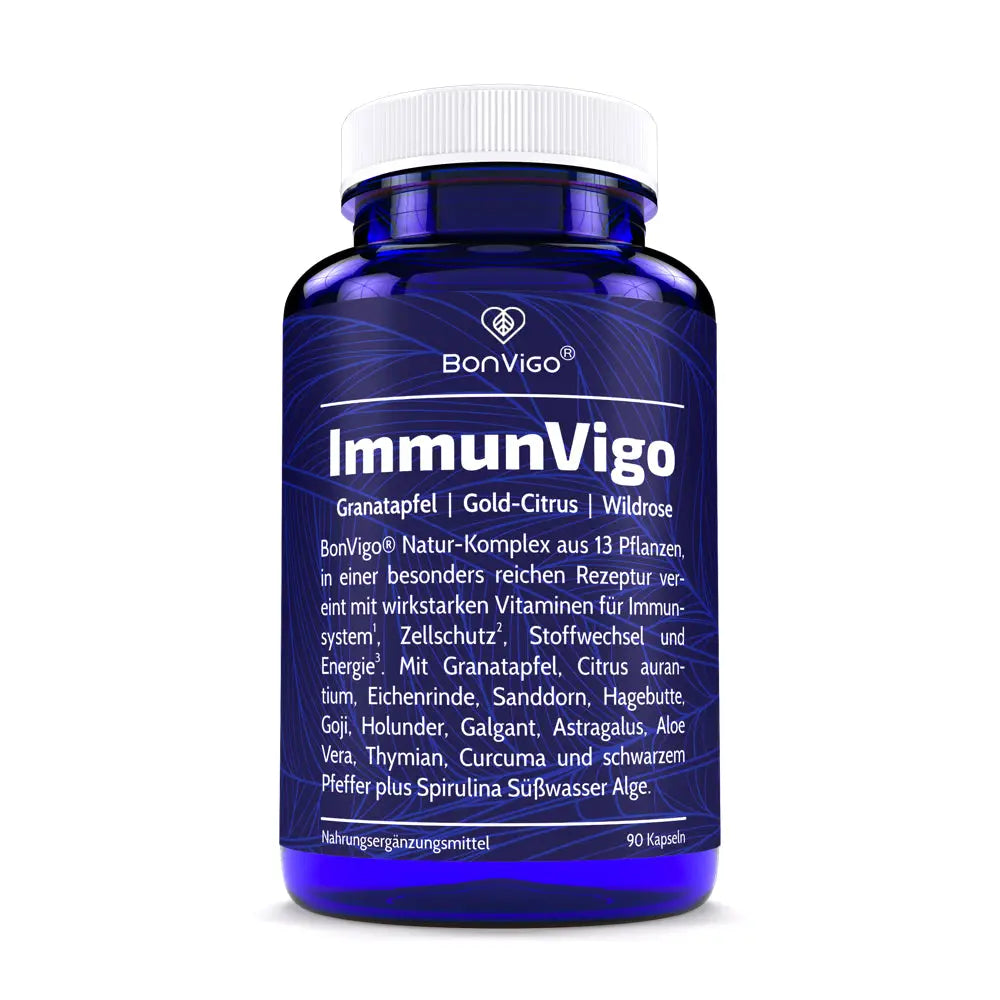 |
For your immune system, we give our all. Because a normal, stable immune defense is so incredibly important, we have put our knowledge and skill into developing a comprehensive formula. These are just some of the micronutrients in our formula with their proven effects: • Vitamin A contributes to the normal function of the immune system, plays a role in cell specialization, contributes to normal iron metabolism, and helps maintain normal mucous membranes. • Vitamin B6 contributes to the normal function of the immune system, to the regulation of hormonal activity, and to the normal function of the nervous system. • Copper contributes to the normal function of the immune system and also helps protect cells from oxidative stress. |
|---|---|
| ImmunVigo 13-Plant Concentrate with Immune Booster | View Product |
| EUR 28.95 ~ EUR 107.99 |



Leave a comment